
Childhood is shaped by more than what happens in a classroom. Children develop confidence, curiosity, and practical skills through a combination of learning experiences, supportive relationships, healthcare, and opportunities to explore their interests. Families often make decisions about these areas separately, but considering them together can create a more consistent foundation for growth. The goal is not to fill every hour with organized activities. It is to give children enough structure to feel secure and enough flexibility to discover what motivates them.
Finding that balance looks different for every household. A preschooler may need a welcoming environment that encourages play and communication, while a teenager may benefit from specialized coursework, creative outlets, and greater independence. Regular medical and dental appointments also play a role because discomfort, fatigue, or an unaddressed concern can affect participation in routines. When families consider educational fit, preventive services, and enrichment as connected priorities, they can make choices that respond to children’s needs as those needs change.
The following approaches offer practical ways to evaluate services, build healthy habits, and support development without assuming that every child needs the same schedule or resources.
Choosing Educational Settings That Match a Child’s Needs
Selecting a school involves more than comparing test scores or looking at photographs of classrooms. Teaching style, class size, transportation, extracurricular offerings, and communication with families can influence how well a child settles into a new environment. Families may also want to understand how teachers respond when a student needs additional academic help or more challenging assignments. A productive school search begins with identifying what helps the child learn, rather than looking for a universally perfect institution.
For some households, searching for ‘ local non religious private school‘ can reveal independent educational options that do not incorporate formal religious instruction. Other families may prefer public schools, charter programs, or a school with a particular instructional philosophy. Visiting campuses, observing classrooms when possible, and asking administrators about student support can reveal meaningful differences between options.
When reviewing k-12 enrollment procedures, look beyond application deadlines. Ask about tuition or fees, financial assistance, transportation, required records, and expectations for family involvement. Find out whether students can access arts, athletics, clubs, or counseling services and how transitions between grade levels are handled.
Children should have a voice in age-appropriate decisions. Discuss what excites or worries them, and revisit those conversations after the school year begins. A supportive educational setting is one where students can ask questions, make mistakes, build friendships, and gradually take responsibility for their learning.
Supporting Early Development Through Preschool and Childcare
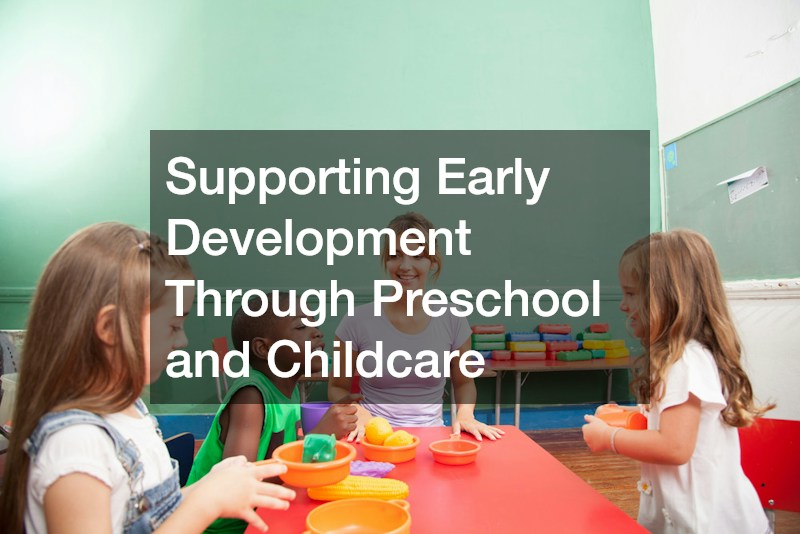
Early childhood programs often provide a child’s first regular experience with group routines outside the home. Through stories, movement, pretend play, and everyday conversations, children practice taking turns, expressing their needs, and navigating relationships. Academic preparation matters, but so do emotional security, curiosity, and the ability to explore a space with caring adult guidance. A program should support development through engaging activities without expecting young children to learn in identical ways.
Families comparing local private preschools can ask how each program balances structured lessons with child-directed play. During a visit, notice how educators speak with children, respond to frustration, and encourage cooperation.
Childcare centers serve an equally important purpose for families who need dependable care during working hours. When evaluating providers, review licensing information, staff qualifications, supervision practices, and policies for illness, emergencies, and parent communication. Ask about the daily schedule, outdoor time, meals, naps, and how caregivers handle conflicts or transitions. Practical details such as pickup flexibility, transportation, and cost can determine whether a program works over the long term.
Consistency between home and the care setting makes new routines easier to understand. Parents and caregivers can share information about sleep, interests, language needs, and recent changes that may affect behavior. Rather than focusing only on worksheets or early academic milestones, look for signs that a child feels comfortable, enjoys participating, and is gradually building independence.
Encouraging Creativity Through Arts and Extracurricular Learning
Creative activities allow children to communicate ideas that may be difficult to explain in ordinary conversation. Music, movement, theater, drawing, and storytelling encourage experimentation, listening, persistence, and collaboration.
Families interested in performing arts private schools can explore programs that integrate music, dance, or theater with academic instruction. These settings vary widely in admissions requirements, schedules, training intensity, and opportunities for students who are beginners. Ask whether participation is accessible at different experience levels and how instructors balance practice with rest, schoolwork, and other responsibilities. Children who enjoy the arts do not necessarily need a career-focused program to benefit from creative education.
Community theaters, libraries, school clubs, and local recreation programs may offer more flexible ways to participate. It is also useful to separate a child’s enthusiasm from an adult’s expectations. Progress may look like gaining comfort speaking in front of others, learning to accept feedback, or finishing a project, rather than winning a competition.
Leave room for unstructured creativity at home as well. Recycled materials, simple instruments, dress-up clothes, and open-ended projects can provide satisfying outlets with little expense. When children have permission to experiment, they are more likely to view challenges as problems to explore rather than evidence that they have failed.
Choosing Summer Activities That Balance Growth and Rest
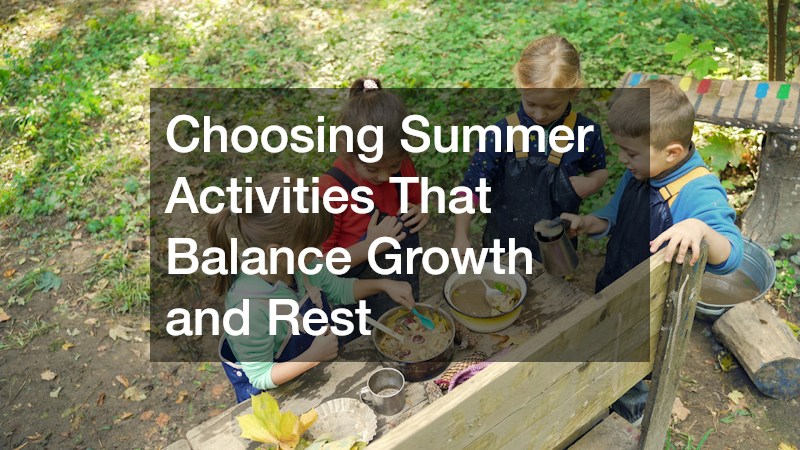
Summer offers a change of pace from academic schedules, but an entirely unstructured break is not always practical for working families. Thoughtfully selected summer camps can provide supervision, new friendships, outdoor experiences, and chances to develop interests that receive less attention during the school year. Options range from sports and science to nature exploration, cooking, theater, and general recreation. The strongest fit depends on a child’s age, comfort level, abilities, and preferences.
Before registering, review staffing, supervision ratios, safety procedures, accessibility, and plans for severe weather or medical needs. Ask how leaders handle homesickness, disagreements, bullying, and situations where a child does not want to join an activity. Families should also confirm transportation arrangements, pickup policies, fees, and what equipment participants need to bring.
A busy schedule is not automatically an enriching one. Some children thrive when they have a different activity each week, while others prefer a familiar routine with plenty of downtime. Include the child in choosing between options, and consider starting with a shorter session if the setting is new. Time at home, with friends, or simply reading and playing can be valuable parts of the season.
After an activity ends, ask what the child enjoyed, what felt challenging, and whether they would like to return. Summer experiences should expand possibilities, not turn every free day into another performance requirement.
Establishing Preventive Dental Habits From an Early Age
Oral health is closely connected to everyday comfort. Tooth pain or gum irritation can make eating, sleeping, and concentrating harder, while consistent hygiene routines help children care for themselves as they grow. Preventive dental care includes brushing with fluoride toothpaste, appropriate flossing, regular evaluations, and guidance tailored to a child’s age and risk factors. Families can make these habits less intimidating by presenting them as ordinary parts of daily life.
A local family dentist may care for multiple members of the household, making it easier to coordinate appointments and maintain a consistent approach to oral hygiene. When choosing a practice, ask about experience with children, communication style, preventive services, scheduling, and how the team responds to dental anxiety.
A general dentist can also help families understand routine checkups, cleaning needs, and when specialty evaluation may be useful. Children differ in their dental development, so appointment frequency and specific preventive recommendations should follow the clinician’s assessment rather than an inflexible household rule. Caregivers can reinforce advice by supervising brushing when needed and offering water regularly throughout the day.
Avoid framing dental visits as punishments for eating sweets or forgetting to brush. Instead, explain what will happen during an appointment, invite questions, and recognize small improvements in daily habits. Prevention works best when children learn the reasons behind their routines and feel comfortable asking for help.
Paying Attention to Vision and Classroom Participation
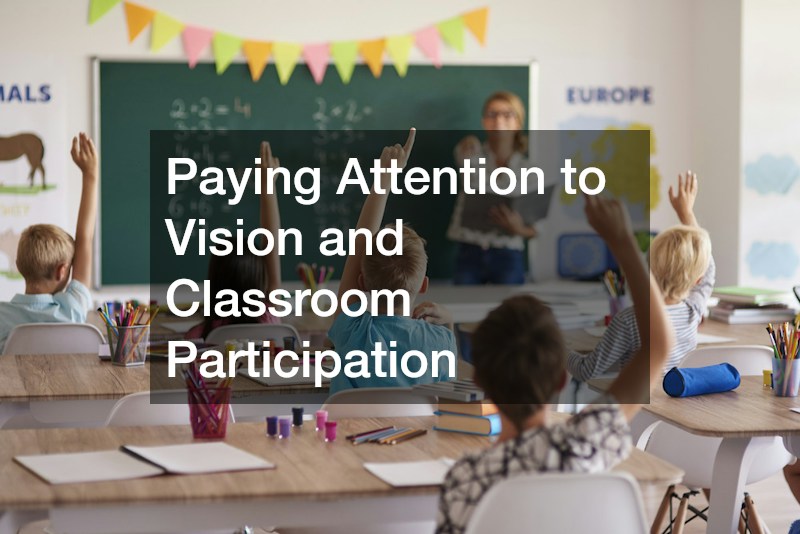
Children depend on clear vision for reading, recognizing expressions, playing sports, and moving comfortably through unfamiliar spaces. Squinting, sitting unusually close to a screen, headaches, or difficulty following classroom materials can be reasons to seek professional guidance. These signs do not establish a diagnosis, but they can prompt a useful conversation with a healthcare professional.
Eye doctors can assess visual concerns and recommend appropriate follow-up based on a child’s age, symptoms, and examination findings. Parents can ask how frequently vision evaluations are appropriate, especially when there is a family history of eye conditions or a teacher notices difficulties. School vision screenings can identify some concerns, but they do not replace a comprehensive examination when one is indicated.
Practical habits also support visual comfort. Encourage breaks from prolonged close-up tasks, provide suitable lighting for reading, and make outdoor play a regular option when circumstances permit. If a child uses prescribed glasses, make sure they understand when to wear them and have a comfortable way to carry or store them. Teachers can help by following any recommended classroom accommodations.
Vision is only one factor in academic participation. Difficulty completing work may also relate to attention, instruction, sleep, or emotional stress. Listening carefully and seeking appropriate assessment is more useful than assuming that every struggle has the same cause.
Supporting Movement, Recovery, and Physical Confidence
Children develop strength, coordination, and body awareness at different rates. Opportunities to run, climb, dance, and practice everyday movement can promote confidence, but some children experience pain, injuries, or challenges that make certain activities difficult. Paying attention to persistent limitations is important, particularly when they interfere with play, school participation, or ordinary tasks. Families should seek qualified medical guidance rather than expecting a child to push through ongoing discomfort.
Physical therapy may be recommended for specific movement concerns, recovery after an injury, or conditions affecting mobility and function. Depending on the situation, treatment may include balance exercises, strength work, flexibility activities, or strategies for participating more comfortably in daily routines. The approach should be appropriate for the child’s development and coordinated with other clinicians when necessary.
Caregivers can support progress by asking what the goals are, which exercises are suitable at home, and how to recognize signs that an activity should stop. Consistency matters, but forcing repetitive practice can undermine motivation. Games, brief practice periods, and encouragement may make prescribed activities easier to incorporate into a normal week.
Inclusive recreation programs, adaptable sports, and accessible playgrounds can help children participate with peers while respecting their abilities. The broader goal is not to meet someone else’s timeline, but to help each child build confidence in what their body can do.

Creating a Sustainable Plan for the Whole Family
Education, preventive care, and enrichment are most useful when they fit into a child’s real life. Overloading the calendar can create stress even when every individual activity seems beneficial. A sustainable approach starts with a few priorities, considers transportation and costs, and leaves room for sleep, free play, family time, and unexpected changes. The right balance may shift during a school transition, after an injury, or when a child develops a new interest.
A shared family calendar can help keep track of school deadlines, healthcare appointments, and extracurricular commitments. Review it together regularly and ask which activities feel rewarding or exhausting. Older children can gradually take part in planning and preparing for their commitments, while younger children may benefit from visual routines and simple choices.
It also helps to distinguish essential services from optional opportunities. Necessary healthcare evaluations and appropriate educational support deserve attention, but costly programs are not the only routes to healthy development. Public libraries, parks, school clubs, and community organizations often provide accessible ways to explore interests.
Most importantly, measure progress in more than grades, performances, or appointment checklists. Notice when a child asks for help, tries something unfamiliar, treats a friend kindly, or manages a difficult moment with greater confidence. These everyday signs of growth reflect the combined value of patient guidance, responsive care, meaningful learning, and time to simply be a child.