Becoming a first-time parent is a transformative experience that brings anticipation, responsibility, and a profound shift in daily life. As the due date approaches, many parents find themselves balancing excitement with uncertainty, wondering how best to prepare for the arrival of their baby. Preparing for a newborn involves more than gathering supplies; it requires thoughtful planning, emotional readiness, and a clear understanding of how family life will change. By approaching this transition intentionally, parents can reduce stress and create a stable environment that supports both their child and themselves.
Early preparation allows families to focus on essentials rather than scrambling during the final weeks of pregnancy or the early postpartum period. From healthcare planning to home safety and lifestyle adjustments, every decision contributes to a smoother transition into parenthood. Preparing for a newborn also means recognizing that learning continues long after birth, and flexibility is just as important as preparation. This guide is designed to help first-time parents navigate these early stages with confidence and clarity.
The following sections explore key areas that support successful early parenting, including child development, childcare planning, health considerations, home readiness, and long-term family care. Each topic is presented to help families make informed decisions while laying the groundwork for a nurturing and secure environment.
Supporting Early Growth With a Holistic Development Mindset
Understanding a holistic approach to child development helps first-time parents appreciate how multiple factors influence a baby’s growth from the very beginning. Physical health, emotional security, sensory stimulation, and caregiver responsiveness all work together to shape early development. Infants are highly sensitive to their surroundings, making the quality of their environment just as important as meeting basic needs.
Parents who focus on preparing for a newborn through a whole-child lens often prioritize bonding experiences such as skin-to-skin contact, responsive feeding, and soothing routines. These practices support emotional regulation and cognitive development while helping babies feel safe and secure. Even small daily interactions, such as talking, singing, or making eye contact, play a significant role in early learning.
A holistic mindset also emphasizes parental well-being. Stress levels, emotional availability, and household stability all affect how caregivers interact with their infant. Preparing for a newborn includes planning for adequate rest, emotional support, and realistic expectations during the early months. When caregivers feel supported, they are better equipped to provide consistent and nurturing care.
Long-term, this approach encourages adaptability as a child grows. Early habits of observation and responsiveness help parents recognize developmental milestones and adjust routines accordingly. By viewing development as interconnected rather than isolated, families create a foundation that supports healthy growth across physical, emotional, and social domains.
Evaluating Childcare Options and Caregiving Support
Gaining Knowledge Through Education and Preparation
Education empowers first-time parents by reducing uncertainty and increasing confidence. Enrolling in local childbirth classes provides valuable insight into labor, delivery, and early infant care. These classes often cover pain management options, postpartum recovery, and newborn care essentials, helping parents feel more prepared for what lies ahead. Understanding what is typical versus what may require medical attention can significantly ease anxiety during the final weeks of pregnancy.
Preparing for a newborn through education also encourages informed decision-making. Learning about feeding methods, safe sleep guidelines, diapering, and soothing techniques allows parents to approach caregiving with clarity rather than fear. Many classes include hands-on demonstrations, such as swaddling, bathing, or installing car seats, which give parents practical experience before their baby arrives. This exposure can be especially helpful for those with limited prior experience caring for infants.
Beyond practical instruction, childbirth classes create opportunities for connection and emotional reassurance. Expectant parents often form supportive relationships with others experiencing similar transitions, fostering open conversations about concerns and expectations. These shared experiences can reduce feelings of isolation and normalize the challenges of early parenthood.
Continued learning remains important after birth. Pediatric guidance, parenting workshops, and community resources all contribute to ongoing growth as caregivers. By prioritizing education early, families strengthen their ability to adapt to challenges, communicate effectively, and build lasting confidence in their parenting decisions.
Preparing for Pediatric Health and Medical Access
Establishing Early Oral Health and Dental Awareness
Creating a Safe and Secure Home Environment
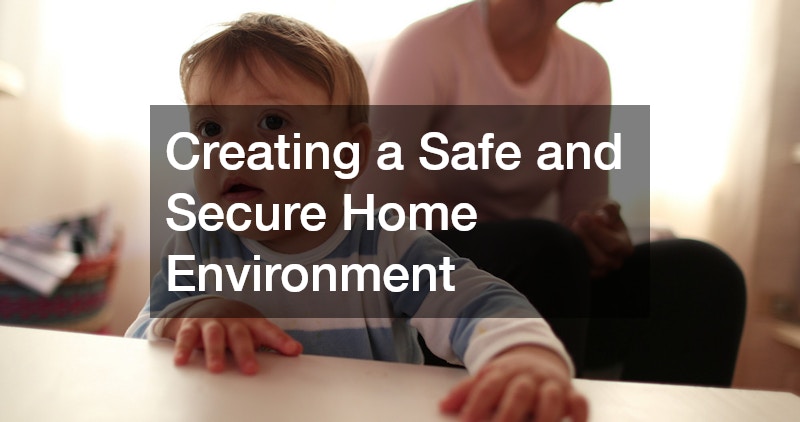
Home safety is a top priority when preparing for a newborn, as infants are especially vulnerable to environmental hazards even before they become mobile. Evaluating living spaces in advance allows parents to identify risks that might otherwise be overlooked during the busy postpartum period. Securing heavy furniture, anchoring bookshelves, covering electrical outlets, and organizing loose cords all contribute to a safer environment. These proactive steps reduce the likelihood of accidents and provide peace of mind as daily routines shift around infant care.
Outdoor safety deserves equal attention, particularly for families with yards or shared outdoor spaces. Consulting a fence installer can help establish secure boundaries that prevent unauthorized access and support safe outdoor activity as children grow. Addressing fencing needs early avoids rushed decisions later and ensures that safety measures are installed correctly and thoughtfully. Even for families who may not immediately use outdoor spaces, planning ahead supports long-term safety goals.
Indoor conditions also play a role in overall home security. Ensuring clear walkways, adequate lighting for nighttime feedings, and easy access to essential supplies reduces caregiver fatigue and minimizes the risk of injury. Preparing for a newborn involves creating a home that supports both infant safety and parental well-being. A secure, well-organized space allows parents to focus on caregiving, bonding, and rest rather than constant vigilance, making early parenthood more manageable and enjoyable.
Maintaining a Healthy Living Environment
Building Long-Term Support and Family Confidence
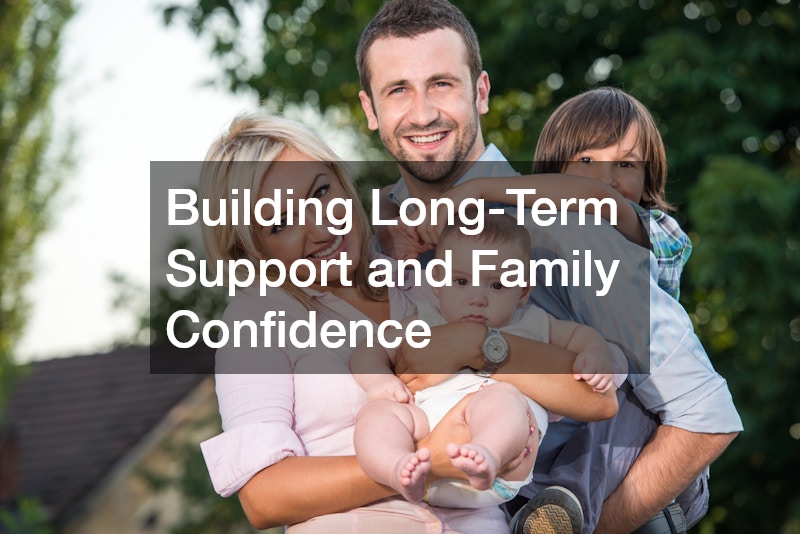
Preparing for a newborn extends beyond immediate needs and into long-term family planning. Establishing reliable support systems, including healthcare providers, childcare arrangements, and trusted advisors, allows parents to adapt as their child grows. These relationships provide guidance during developmental transitions and offer reassurance when new challenges arise. Having trusted professionals and personal support in place helps parents make informed decisions without feeling isolated or overwhelmed.
Confidence develops over time through experience, reflection, and continued learning. Preparing for a newborn means accepting that not every challenge can be anticipated, but thoughtful planning creates resilience. Parents gradually learn to trust their instincts, adjust routines, and respond to their child’s unique needs. This process is strengthened by open communication between caregivers, shared responsibilities, and realistic expectations about what early parenthood entails.
Long-term confidence is also built by creating sustainable routines and maintaining flexibility. As children grow, family needs evolve, requiring parents to reassess schedules, priorities, and support structures. Preparing for a newborn includes recognizing that growth is ongoing for both the child and the parents. By approaching parenthood with intention, flexibility, and awareness, first-time parents lay a foundation for a healthy and fulfilling family life. The steps taken before birth help create stability, allowing families to focus on connection, growth, and joy in the years ahead.